.webp)


Composite Material Testing: Methods, Standards, and Automation
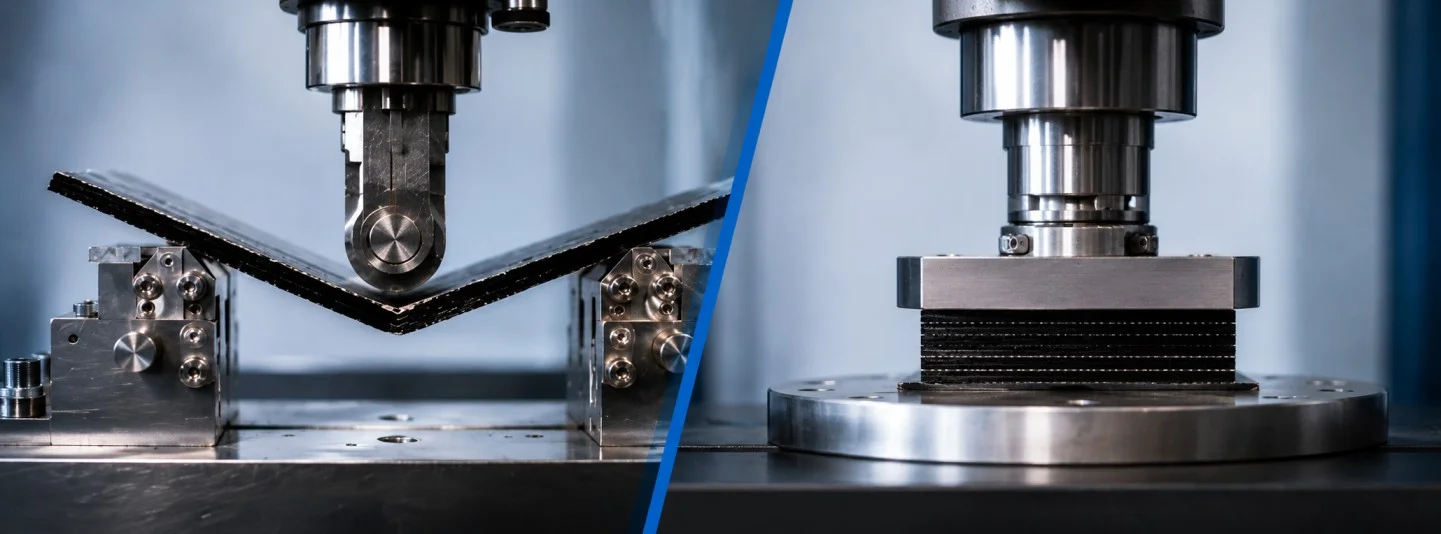
Composite material testing measures the mechanical properties of fiber-reinforced materials — tensile strength, compressive behavior, and flexural stiffness — using standardized methods. Whether you work with carbon fiber (CFRP), glass fiber, or hybrid laminates, reliable test data is essential for design validation and quality control. As volumes rise, many labs turn to automation, and LabsCubed's CubeOne and CubeTen systems support these workflows with robotic specimen handling, AI-powered vision, and automated data collection.
This guide covers the most common composite testing methods, the key ASTM standards behind them, and how automation helps manufacturing labs scale efficiently.
What is composite material testing?
Composite material testing measures the mechanical properties of fiber-reinforced materials using standardized methods, helping engineers qualify materials for design, manufacturing, and quality assurance. Unlike metals, composites are anisotropic — their properties change with fiber orientation and layup — so multiple test methods are required to fully characterize a material.
Typical properties measured include:
- Ultimate tensile strength
- Elastic modulus
- Compressive strength
- Flexural strength
- Strain at failure
These measurements are used throughout aerospace, automotive, electronics, and industrial manufacturing applications.
Why is composite testing more challenging than metal testing?
Composite materials behave differently depending on load direction, which makes testing more sensitive to specimen preparation and alignment. A single coupon rarely tells the full story; engineers often need multiple tests to understand how a laminate performs under tension, compression, and bending. Common sources of variability include:
- Specimen misalignment
- Inconsistent grip seating
- Improper tab bonding
- Operator-dependent procedures
Maintaining repeatability becomes increasingly difficult as sample volumes grow, especially in manual workflows.
Which ASTM standards are used for composite material testing?
Different ASTM standards evaluate different failure modes. Together, they provide a complete picture of material performance. Among them, ASTM D3039 is typically the starting point for mechanical characterization programs.
| Test type | Standard | Property measured |
|---|---|---|
| Tensile | ASTM D3039 | Tensile strength and modulus |
| Compression | ASTM D3410 | Compressive strength |
| Flexural | ASTM D7264 | Flexural strength and stiffness |
| In-plane shear | ASTM D3518 | Shear properties |
| Interlaminar shear | ASTM D2344 | Bond quality |
Main composite testing methods
Three methods carry most characterization programs. Tensile, flexural, and compression data are usually built together into a material database.
ASTM D3039 tensile
Measures tensile strength, elastic modulus, and strain at failure. Specimens are loaded axially in a UTM until fracture; multiple orientations capture anisotropy.
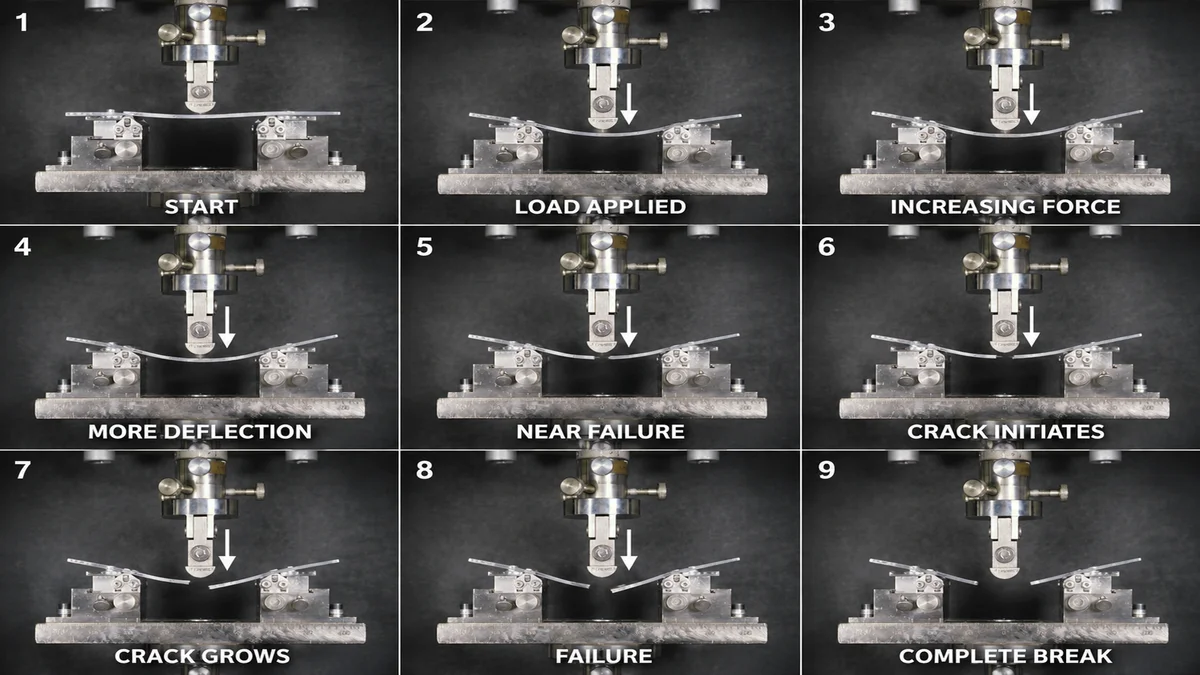
ASTM D7264 flexural
Evaluates flexural strength and stiffness under bending. Three-point and four-point setups show how laminates respond to bending alongside tensile data.
ASTM D3410 compression
Measures compressive properties for structural applications under compression loads, completing the tensile and flexural picture of composite performance.
Because composites are anisotropic, reliable results depend on proper specimen alignment, accurate grip seating, controlled crosshead speed, and consistent extensometer measurement across every orientation tested.
How automation improves composite material testing
Much of the time spent in composite testing happens outside the actual test. Specimen loading, grip alignment, and reporting create bottlenecks that limit productivity. Automation increases throughput and improves repeatability by reducing manual intervention across that workflow.
| Manual workflow | Recommended CubeOne / CubeTen | |
|---|---|---|
| Specimen loading | Manual specimen loading | Robotic specimen handling |
| Alignment | Visual alignment | Consistent positioning |
| Reporting | Manual reporting | Automated data capture |
| Repeatability | Operator-dependent processes | Higher repeatability |
| Utilization | Limited machine utilization | Continuous testing capability |
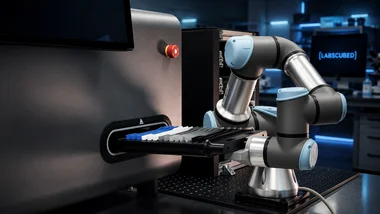
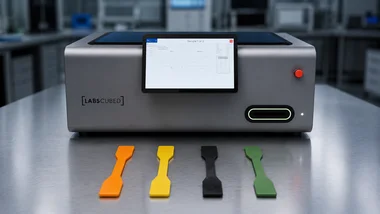
LabsCubed's CubeOne and CubeTen systems combine robotic specimen handling, AI-powered vision, and automated data collection into repeatable, audit-ready workflows. Rather than focusing only on machine speed, they improve process consistency from specimen loading to final reporting.
Best practices for reliable composite testing
Reliable data depends on more than the test itself. Work through this short checklist before scaling a program.
- Maintain proper specimen alignment and tab bonding
- Follow current ASTM standards for each failure mode
- Ensure traceability throughout the workflow
- Reduce operator variability wherever possible
Frequently asked questions
What is composite material testing?
Composite material testing measures the mechanical properties of fiber-reinforced materials to support material qualification, design validation, and quality control. Because composites are anisotropic, multiple test methods are used to characterize tension, compression, flexure, and shear behavior.
Which ASTM standards are used for composite testing?
The most widely used standards include ASTM D3039 for tensile testing, ASTM D3410 for compression, ASTM D7264 for flexural testing, ASTM D3518 for in-plane shear, and ASTM D2344 for interlaminar shear. Together they describe a material across multiple failure modes.
How does automation improve composite material testing?
Automation reduces operator variability, improves repeatability, and increases throughput by automating specimen handling and data collection. Consistent positioning and digital audit trails address the specimen-preparation and alignment errors that drive scatter in manual composite testing.
Conclusion
Composite materials require more than a single test to characterize their performance. Tensile, compression, and flexural methods work together to provide the data needed for design validation and quality assurance. As testing volumes increase, many laboratories are shifting from manual processes to automated workflows. By combining robotics, AI-powered vision, and digital data capture, LabsCubed's CubeOne and CubeTen systems help manufacturers improve repeatability, reduce operator variability, and scale testing operations with confidence.
Improve throughput and data consistency
Explore how LabsCubed's CubeOne and CubeTen systems automate specimen handling, testing, and reporting to create repeatable, audit-ready workflows for your composite testing lab.
Related Articles
More expert insights and practical solutions to advance your material testing expertise.
Automated Rubber Tensile Testing Machines: A Guide for High-Volume Testing Labs
Universal Testing Machine: Complete Guide to Specifications, Applications & Automation
Tensile Strength Tester: A Buyer's Guide for QA Labs
Tensile Test of Composite Materials: A Practical Guide

Universal Testing Machine for Rubber: 2026 Buyer Guide
ASTM D3039: How to Test Composite Tensile Properties
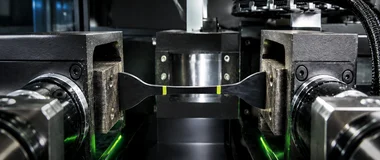
Robotic Material Testing: The Complete Guide to Automating Your Lab

Automated Tensile Testing: How Labs Cut Cycle Time Up to 85%
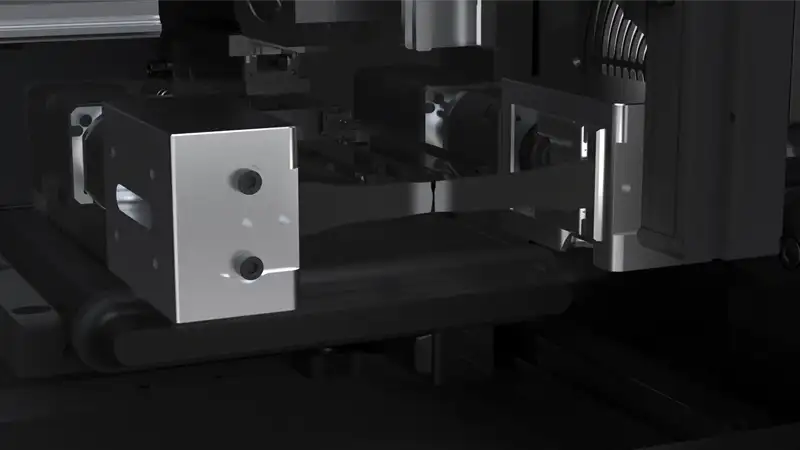
Tensile Testing Machine Guide for Plastics & Rubber Labs
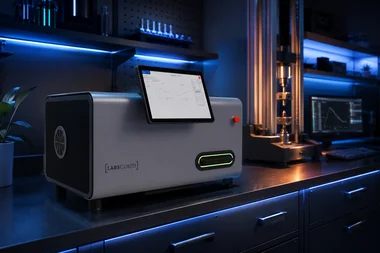
Polymer Tensile Test: Procedure, Standards & Automation
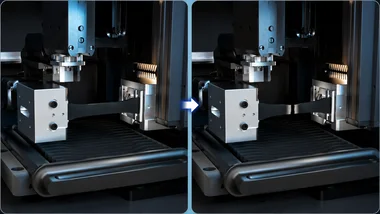
Polymer Mechanical Testing: Methods, Standards & Automation
Lab Automation Robotics for Plastics and Rubber QA Teams
How to Choose Plastics Tensile Testing Equipment
ASTM D638 Automated Testing: Run 3× More Specimens Per Day
Materials Testing Automation: How Plastics and Rubber Labs Run 3× More Tests Per Shift
ASTM D790/ISO 178 Explained: Everything You Need to Know About Plastic Flexural Testing

Fatigue Testing in Rubber Compounds: Understanding Long-Term Performance
How Temperature and Humidity Affects Tensile Strength in Plastics