.webp)


Tensile Testing Machine Guide for Plastics & Rubber Labs
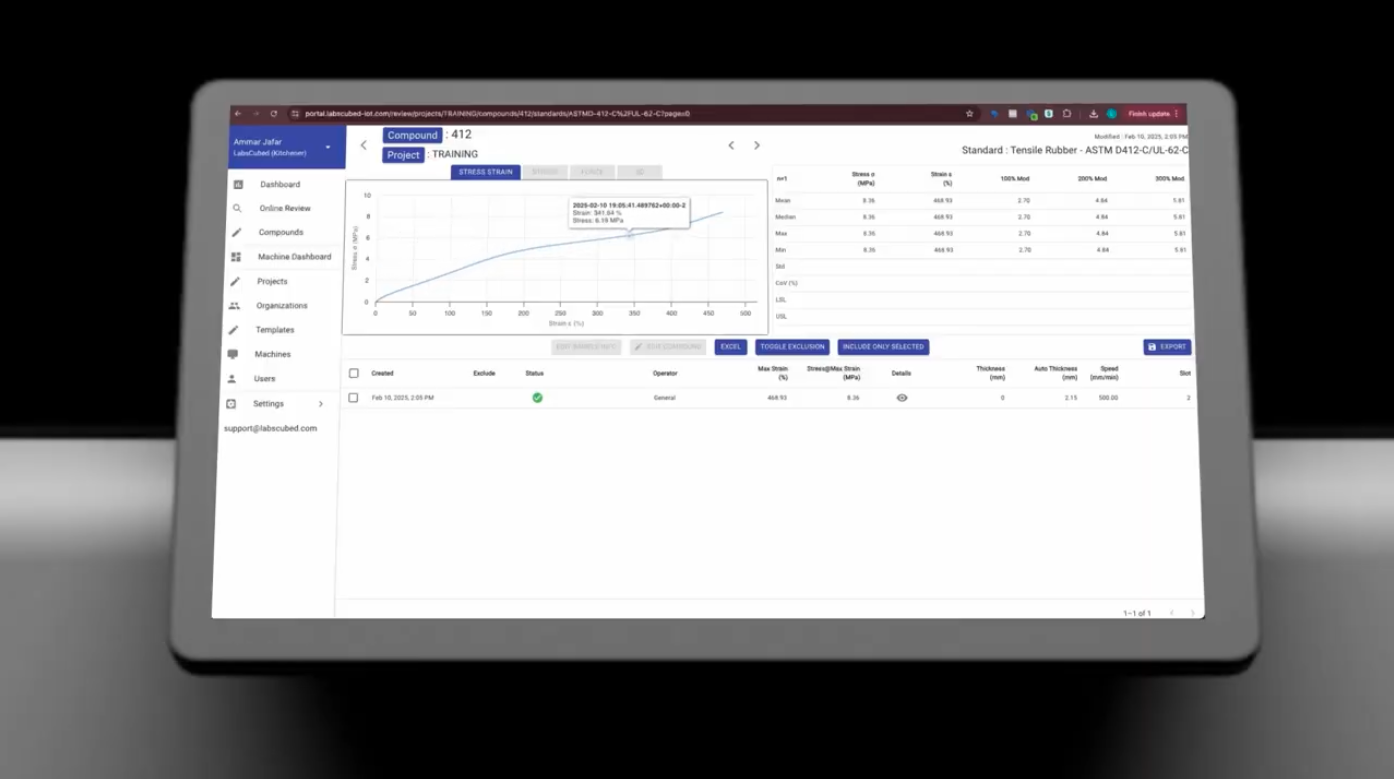
A tensile testing machine applies a controlled pulling force to a specimen and records force and elongation to produce a stress-strain curve — the source of tensile strength, yield strength, elongation at break, and elastic modulus. In high-volume plastics and rubber labs, the machine is rarely the bottleneck; specimen loading, grip changes, and manual data entry between tests are. LabsCubed's CubeOne and CubeTen automate that workflow end-to-end to improve repeatability and reduce operator variability.
What does a tensile testing machine do?
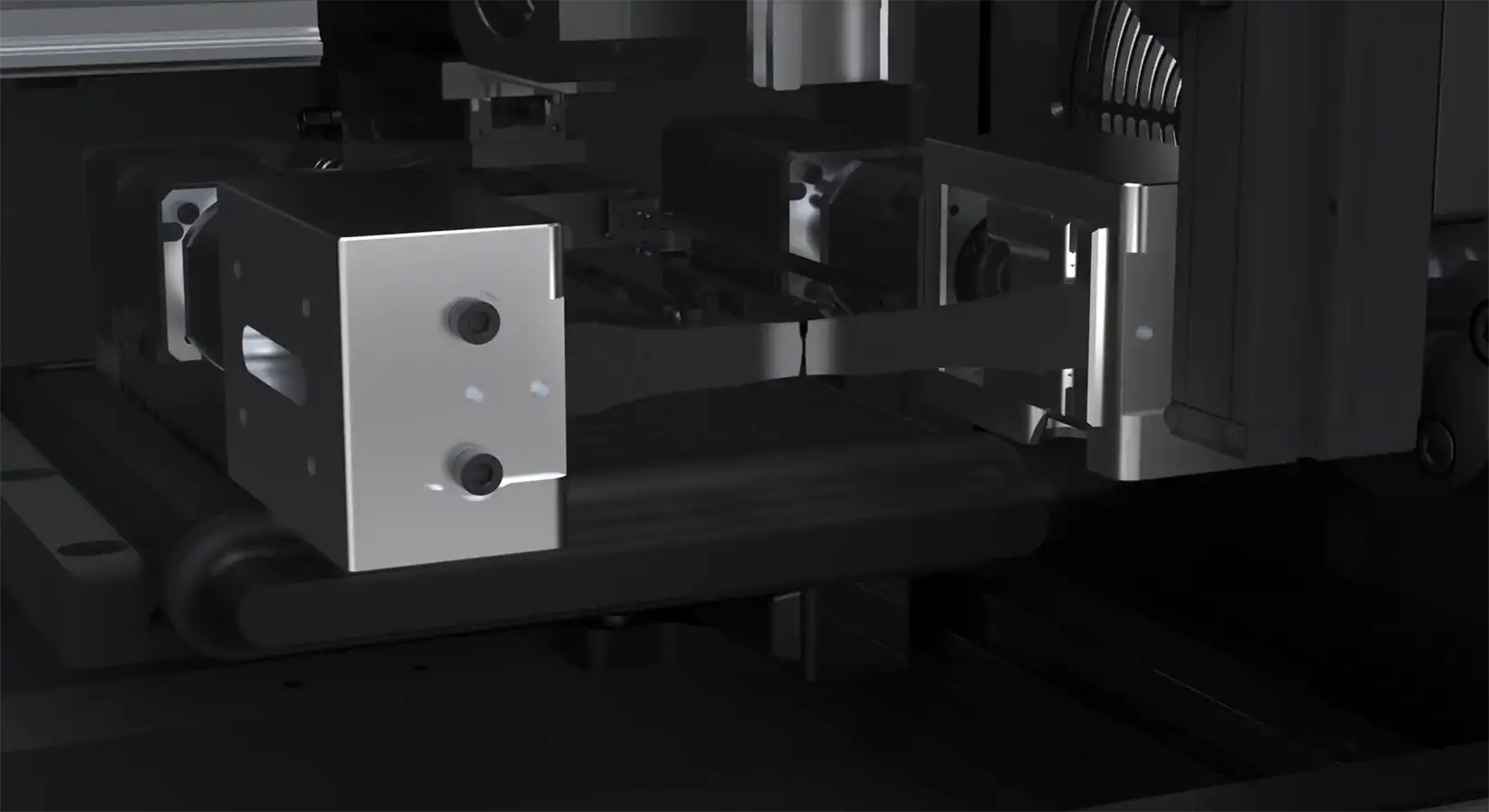
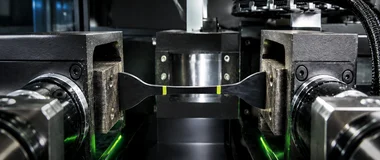
A tensile testing machine applies a controlled pulling force to a specimen and records force and elongation throughout the test. The resulting stress-strain curve reveals the key mechanical properties used in quality control and product development. For a primer on the underlying measurement, see our overview of why tensile testing matters.
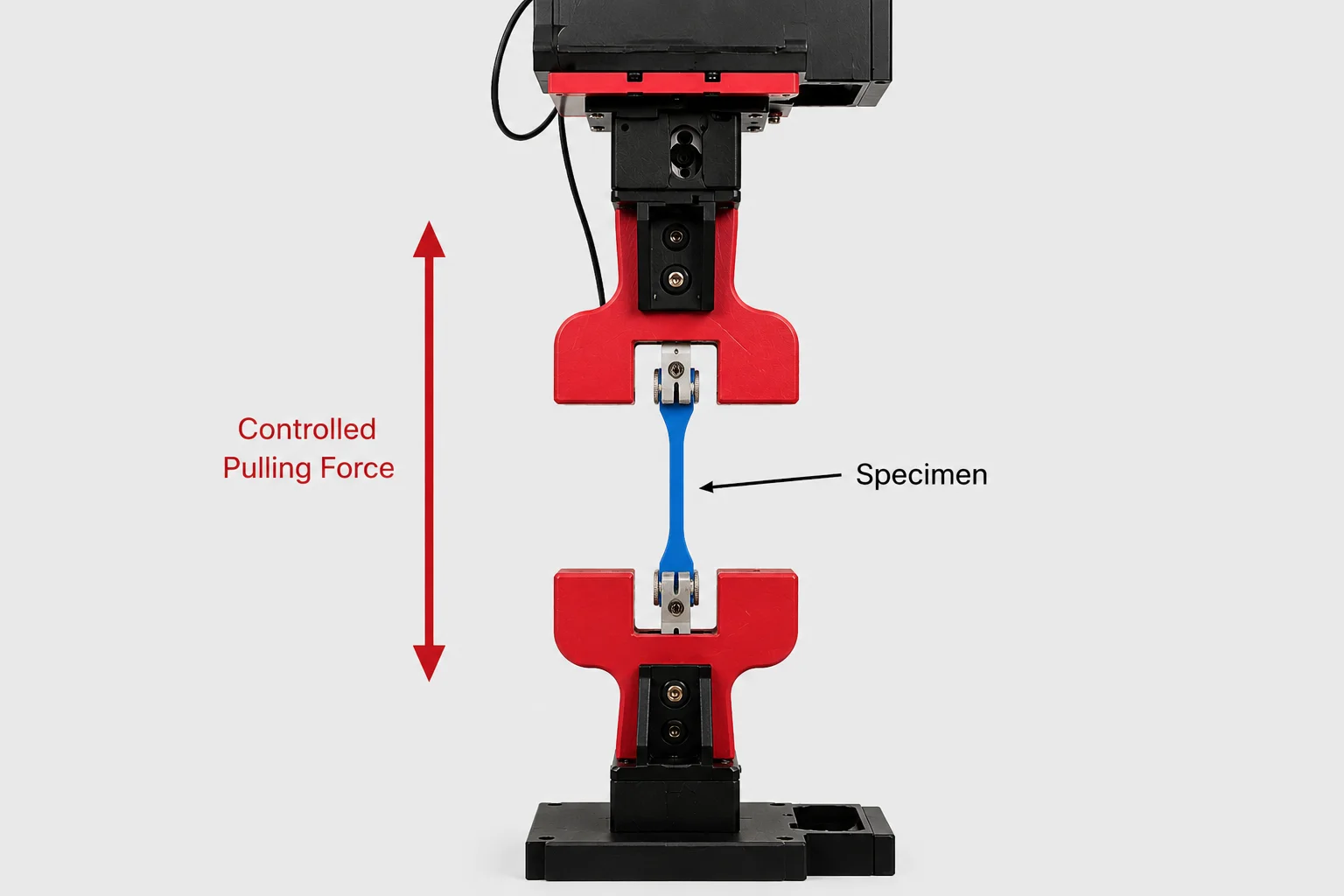
Typical measurements include:
- Ultimate tensile strength (UTS)
- Yield strength
- Elongation at break
- Young's modulus
These properties are reported across plastics, rubber, composites, and other engineered materials, and they directly affect batch-release and product-development decisions.
What specifications matter most?
Load capacity, crosshead speed, grip selection, and software capability have the greatest impact on testing accuracy and flexibility. The four specifications below are where most selection decisions are won or lost.
Load cell capacity
Choose a load cell with headroom above the maximum expected force. Overloading reduces accuracy and increases measurement uncertainty.
Crosshead speed range
Rigid plastics under ASTM D638 and ISO 527 use lower speeds; elastomers under ASTM D412 need higher extension rates. Consistent speed control keeps results repeatable.
Grip type
Wedge grips suit rigid plastics, pneumatic grips give consistent clamping on rubber, and flat-faced grips hold thin films. The wrong grip causes slippage or premature failures.
Software and data
Modern systems should support automatic data capture, real-time reporting, LIMS and QMS integration, and audit-ready records. Manual entry invites transcription errors.
Plastics and rubber require different testing conditions
Different materials require different standards, speeds, and gripping methods. Labs that test multiple material families should confirm their systems can support each protocol without excessive fixture changes.
| Material | Standard | Typical speed | Grip type |
|---|---|---|---|
| Rigid plastics | ASTM D638 / ISO 527 | 1–50 mm/min | Wedge grips |
| Rubber & elastomers | ASTM D412 / ISO 37 | 200–500 mm/min | Pneumatic grips |
| Flexible films | ASTM D882 | 25–500 mm/min | Flat-faced grips |
| Composites | ASTM D3039 | 1–5 mm/min | Hydraulic or wedge grips |
When does manual testing become the bottleneck?
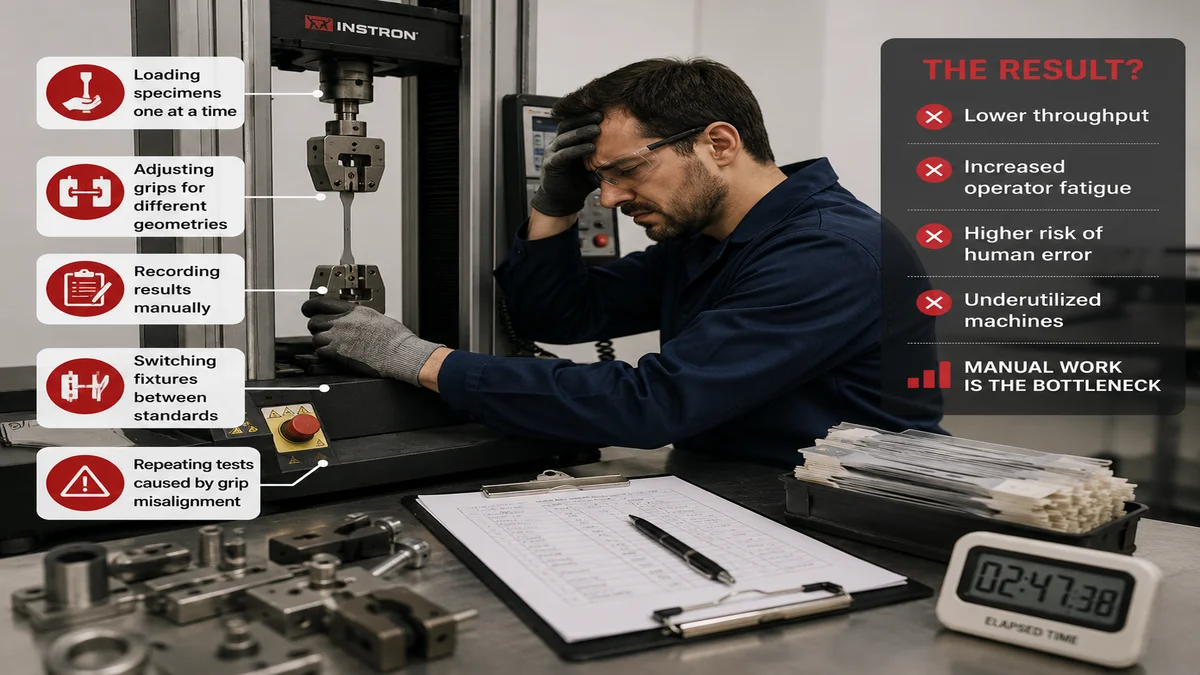
In many labs the biggest constraint is not the machine itself, but the manual work between tests. As throughput rises, small delays accumulate and reduce machine utilization. Common bottlenecks include:
- Loading specimens one at a time
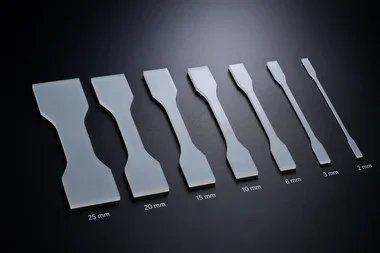
- Adjusting grips for different geometries
- Recording results manually
- Switching fixtures between standards
- Repeating tests caused by grip misalignment
How does automation improve tensile testing?
Automation improves throughput and repeatability by removing manual steps from the testing workflow. Rather than simply increasing speed, it reduces operator variability and improves process consistency from specimen loading to audit-ready data.
| Manual workflow | Recommended CubeOne / CubeTen | |
|---|---|---|
| Specimen loading | Manual specimen loading, one at a time | Robotic specimen handling from a tray |
| Alignment | Visual alignment, operator-dependent | Consistent positioning to a mechanical reference |
| Reporting | Spreadsheet reporting and re-keying | Automated data capture into LIMS |
| Repeatability | Operator-dependent processes | Improved, specimen-driven repeatability |
| Utilization | Limited utilization between tests | Continuous, unattended operation |
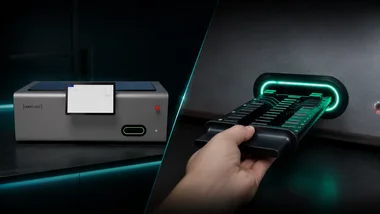
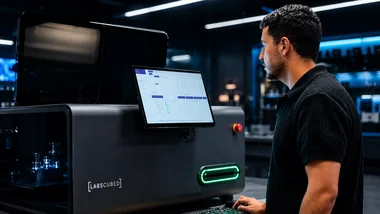
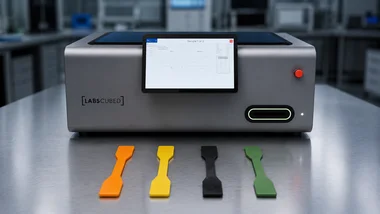
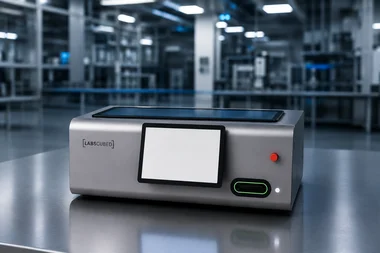
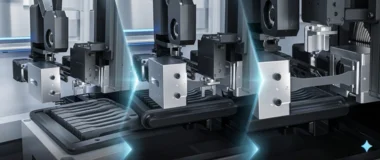
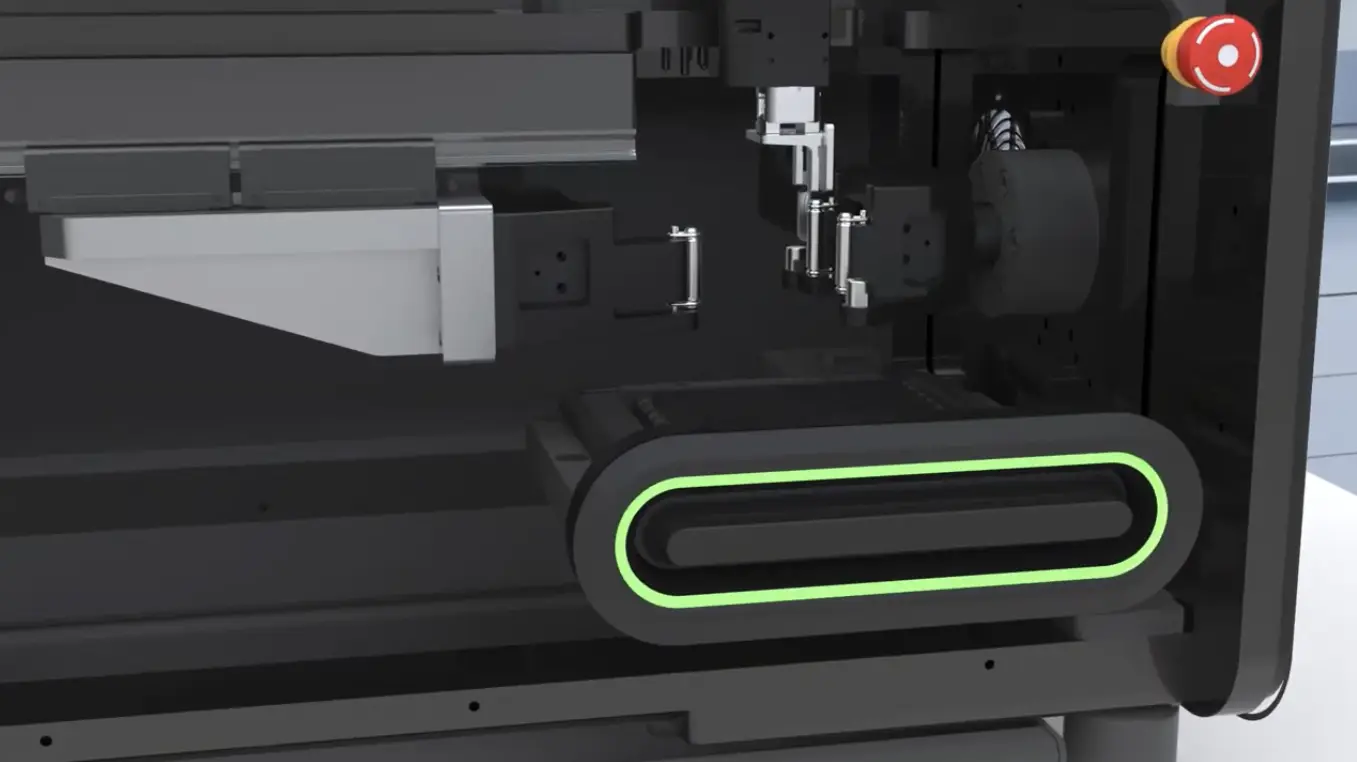
LabsCubed's CubeOne and CubeTen systems combine robotic specimen handling, AI-powered vision, and automated reporting into end-to-end workflows. Instead of generating raw stress-strain data alone, they interpret results in real time, flag anomalies, and stream audit-ready records into the customer's LIMS. For QA and R&D teams, that means fewer bottlenecks, reduced operator variability, and a shift toward predictive material insight rather than reactive testing. See the system in action: Revolutionize plastics tensile testing with the CubeTen.
Best practices when selecting a tensile testing machine
To support long-term flexibility, work through this short checklist before committing to a frame.
- Match load cell capacity to expected loads, with headroom
- Select grips appropriate for the material and specimen
- Verify compatibility with the relevant ASTM and ISO standards
- Prioritize data traceability and software integration
- Consider automation as throughput requirements increase
Frequently asked questions
What is a tensile testing machine?
A tensile testing machine applies controlled tensile loads to a specimen and measures properties such as tensile strength, elongation at break, and elastic modulus. It records force and elongation throughout the pull to build a stress-strain curve used in quality control and product development.
What is the difference between a universal testing machine and a tensile tester?
A universal testing machine (UTM) can perform both tensile and compression testing using different fixtures, while a tensile tester is optimized primarily for pull-to-failure applications. Most plastics and rubber labs use a UTM configured for tension because it covers more methods on one frame.
How does automation improve tensile testing throughput?
Automation reduces manual specimen handling, data entry, and setup time, improving repeatability and enabling higher throughput. Robotic loading, consistent grip torque, and automated data capture remove the operator-dependent steps that limit machine utilization between tests.
Conclusion
Choosing the right tensile testing machine involves more than selecting a load frame. Load cell capacity, crosshead speed, grip type, and data management all affect testing accuracy and workflow efficiency. As sample volumes grow, manual processes often become the limiting factor. By combining robotics, AI-powered vision, and automated data capture, LabsCubed's CubeOne and CubeTen systems help plastics and rubber laboratories scale throughput while improving repeatability and data integrity.
Improve throughput and reduce operator variability
Explore how LabsCubed's CubeOne and CubeTen systems automate specimen handling, testing, and reporting for modern plastics and rubber laboratories. Bring your standards, materials, and throughput numbers, and we'll map the fit.
Related Articles
More expert insights and practical solutions to advance your material testing expertise.
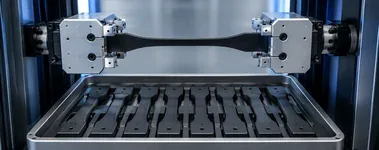
Automated Rubber Tensile Testing Machines: A Guide for High-Volume Testing Labs
Universal Testing Machine: Complete Guide to Specifications, Applications & Automation
Tensile Strength Tester: A Buyer's Guide for QA Labs
Tensile Test of Composite Materials: A Practical Guide
Universal Testing Machine for Rubber: 2026 Buyer Guide
ASTM D3039: How to Test Composite Tensile Properties
Robotic Material Testing: The Complete Guide to Automating Your Lab
Automated Tensile Testing: How Labs Cut Cycle Time Up to 85%
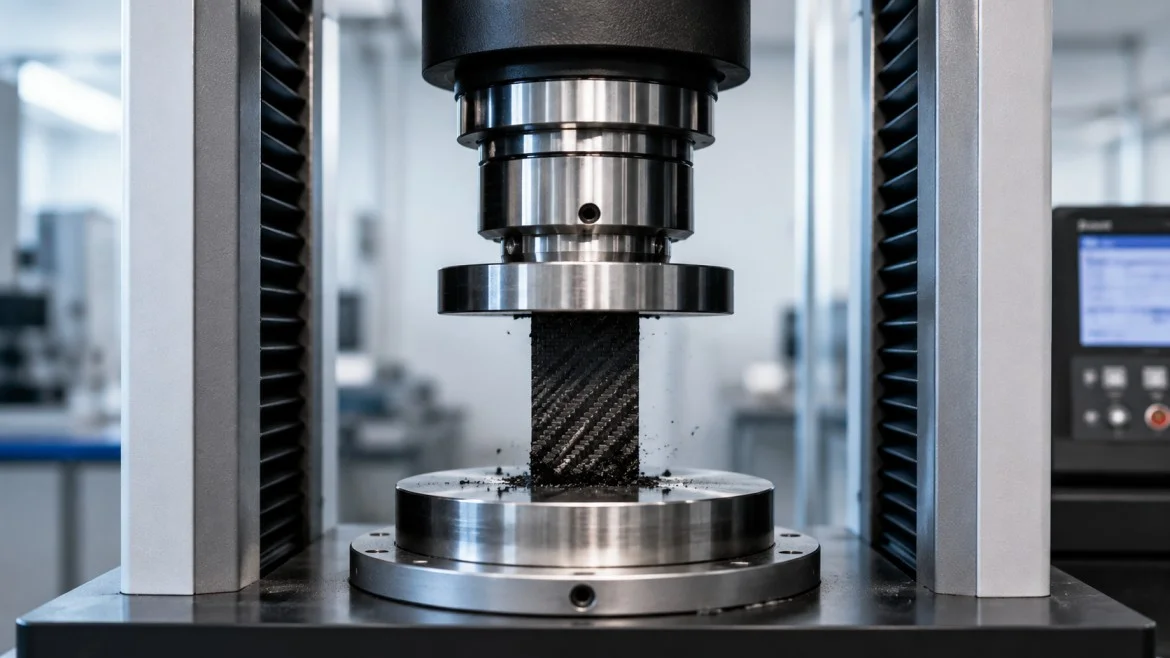
Composite Material Testing: Methods, Standards, and Automation
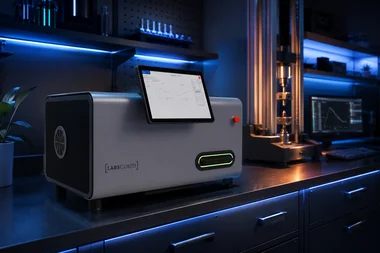
Polymer Tensile Test: Procedure, Standards & Automation
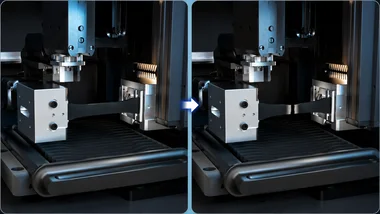
Polymer Mechanical Testing: Methods, Standards & Automation
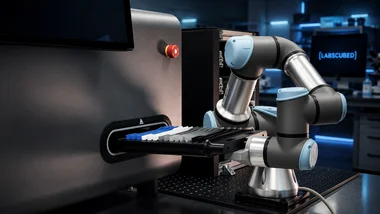
Lab Automation Robotics for Plastics and Rubber QA Teams
How to Choose Plastics Tensile Testing Equipment
ASTM D638 Automated Testing: Run 3× More Specimens Per Day
Materials Testing Automation: How Plastics and Rubber Labs Run 3× More Tests Per Shift
ASTM D790/ISO 178 Explained: Everything You Need to Know About Plastic Flexural Testing
Fatigue Testing in Rubber Compounds: Understanding Long-Term Performance
How Temperature and Humidity Affects Tensile Strength in Plastics